
Alhambra Palace Night Tour Attendance Revenue Guide & Insights
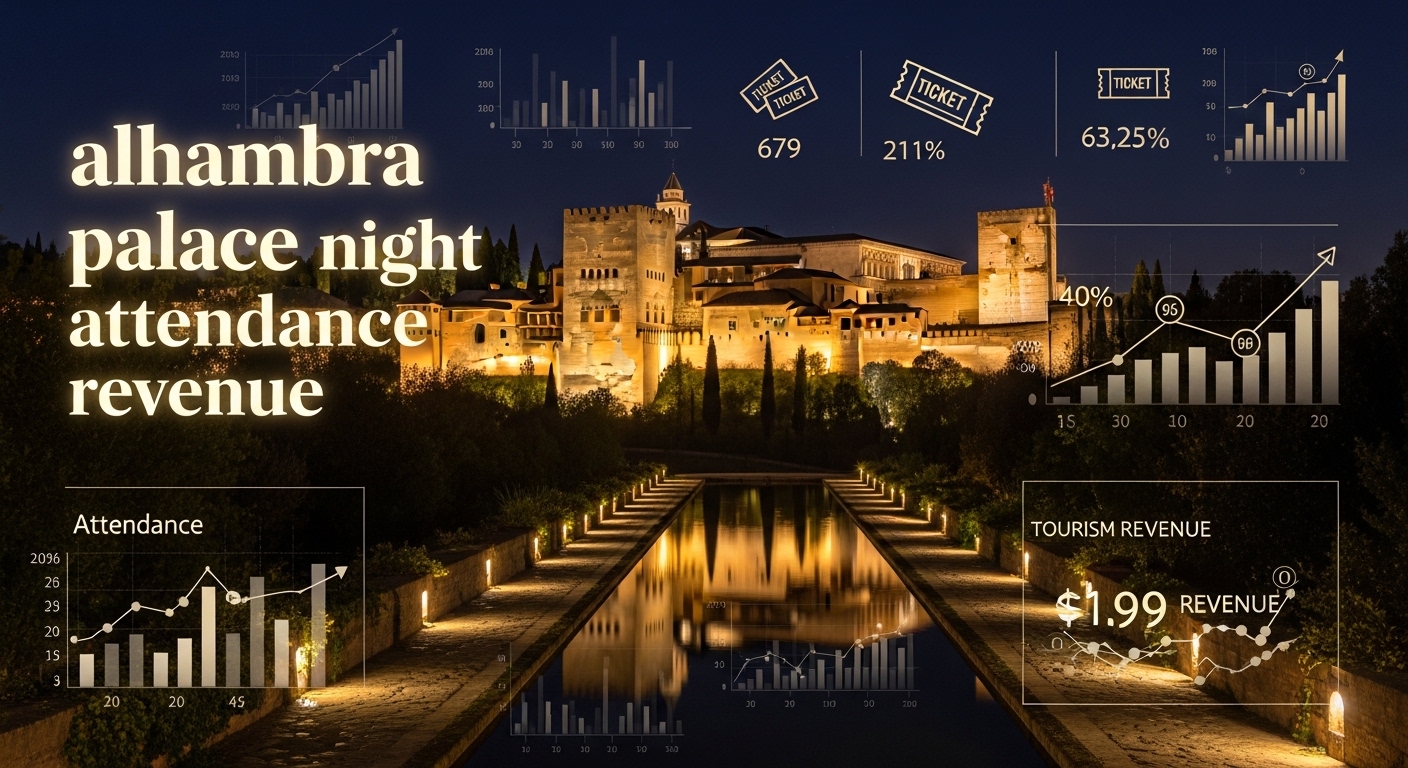
The Alhambra Palace night tour attendance revenue has become one of the most fascinating case studies in cultural tourism economics. As one of Spain’s most iconic UNESCO World Heritage Sites, the Alhambra in Granada attracts millions of visitors every year. However, the nighttime experience offers something truly unique—fewer crowds, dramatic lighting, and a deeply immersive historical atmosphere. This has transformed night tours into a premium tourism product that significantly contributes to overall revenue generation, visitor satisfaction, and sustainable site management.
Overview of Alhambra Palace Night Tours and Their Appeal
The Alhambra Palace night tour experience is designed to showcase the monument in a completely different light—literally and emotionally. Visitors walk through illuminated courtyards, quiet halls, and intricately designed Islamic architecture that feels more intimate at night. This exclusivity increases demand and directly influences attendance patterns.
Night tours are limited in capacity, which makes them more valuable. Tour operators and cultural authorities carefully manage ticket availability to preserve the site while maximizing visitor experience. This balance between preservation and tourism demand is a key factor in shaping the overall Alhambra Palace night tour attendance revenue model.
Historical Significance of the Alhambra in Tourism Economy
The Alhambra Palace is not just a monument; it is a cultural and historical symbol of Moorish Spain. Its importance in tourism dates back decades, but structured night tourism is a relatively modern development. As global tourism evolved, heritage sites like the Alhambra adapted to new visitor expectations.
The introduction of night tours allowed authorities to diversify income streams while reducing daytime overcrowding. This shift significantly boosted the Alhambra Palace night tour attendance revenue, turning the site into a year-round economic driver for Granada’s tourism industry.
Structure of Night Tour Ticketing and Pricing Strategy
Pricing plays a central role in the revenue model of the Alhambra night tours. Tickets are typically priced higher than daytime visits due to exclusivity, limited capacity, and enhanced experience value. This premium pricing strategy helps regulate demand while increasing per-visitor revenue.
Dynamic pricing, seasonal adjustments, and guided tour packages further optimize income. By balancing affordability with exclusivity, the Alhambra ensures consistent attendance revenue growth without compromising conservation goals.
Attendance Trends in Alhambra Night Tourism
Night tour attendance at the Alhambra has shown steady growth over the years, especially among international travelers seeking unique cultural experiences. Data trends indicate peak interest during spring and autumn seasons when weather conditions enhance the experience.
However, attendance is carefully controlled to prevent overcrowding. This controlled access model ensures high visitor satisfaction while maintaining strong Alhambra Palace night tour attendance revenue performance.
Economic Impact on Granada and Local Businesses
The economic influence of Alhambra night tours extends far beyond ticket sales. Local hotels, restaurants, transport services, and souvenir shops all benefit from increased visitor flow. Night tourism encourages longer stays, which boosts overall spending in the region.
This ripple effect strengthens Granada’s tourism economy and reinforces the importance of the Alhambra as a financial and cultural anchor. The revenue generated from night tours contributes indirectly to thousands of local jobs and small businesses.
Role of Cultural Heritage Management in Revenue Optimization
Cultural heritage management plays a crucial role in balancing preservation with tourism profitability. The Alhambra authorities must ensure that increased attendance does not damage the historical structure. This requires strict visitor limits and guided access systems.
By carefully controlling entry and maintaining high-quality visitor experiences, management ensures that the Alhambra Palace night tour attendance revenue remains sustainable over the long term.
Visitor Experience and Perceived Value of Night Tours
The perceived value of night tours is significantly higher than daytime visits. Visitors often describe the experience as more emotional, peaceful, and visually striking. The lighting design highlights architectural details that are less noticeable during the day.
This enhanced experience justifies higher ticket prices and increases demand. As a result, visitor satisfaction directly contributes to repeat visits and positive reviews, strengthening long-term revenue growth.
Digital Booking Systems and Revenue Tracking
Modern ticketing systems play a vital role in managing Alhambra night tour operations. Online booking platforms allow real-time tracking of attendance, revenue flow, and visitor demographics. This data is essential for optimizing pricing strategies and capacity planning.
Digital systems also reduce ticket fraud and improve accessibility for international tourists. These improvements contribute to more efficient management of Alhambra Palace night tour attendance revenue streams.
Tourism Seasonality and Its Effect on Night Tour Income
Seasonality has a significant impact on attendance and revenue. Peak tourist seasons such as summer bring higher demand, while winter months see reduced visitor numbers. Night tours help balance this fluctuation by offering a unique experience year-round.
Special events, holiday tours, and themed experiences are often introduced during off-peak periods to maintain steady revenue flow. This strategic planning helps stabilize overall income from night tourism.
Marketing Strategies for Promoting Alhambra Night Tours
Marketing plays a crucial role in attracting global audiences to the Alhambra night tours. Digital campaigns, travel influencer collaborations, and cultural storytelling are commonly used strategies.
Visual content highlighting the illuminated architecture is particularly effective in driving interest. These marketing efforts significantly boost ticket sales and enhance Alhambra Palace night tour attendance revenue.
Sustainability and Preservation Costs
Maintaining a UNESCO World Heritage Site like the Alhambra requires significant investment. Night tour revenue helps fund restoration projects, conservation work, and infrastructure maintenance.
Sustainability is a core priority, ensuring that increased tourism does not damage the site. Revenue generated from night tours is often reinvested into preservation efforts, creating a balanced economic model.
Comparative Analysis of Day vs Night Tour Revenue
| Feature | Day Tours | Night Tours |
|---|---|---|
| Attendance Volume | High | Limited |
| Ticket Price | Standard | Premium |
| Experience Type | General sightseeing | Immersive and exclusive |
| Revenue Contribution | High volume, lower margin | Lower volume, higher margin |
| Crowd Level | Busy | Controlled |
This comparison shows why night tours are essential for maximizing overall revenue efficiency.
Key Revenue Drivers in Alhambra Night Tourism
| Driver | Impact on Revenue |
|---|---|
| Limited Capacity | Increases exclusivity value |
| Premium Pricing | Higher per-ticket income |
| Global Tourism Demand | Sustains international interest |
| Cultural Significance | Enhances perceived value |
| Digital Booking Systems | Improves sales efficiency |
These factors collectively shape the Alhambra Palace night tour attendance revenue model.
Challenges in Managing Night Tour Operations
Despite its success, managing night tours comes with challenges. These include balancing visitor demand with preservation limits, managing seasonal fluctuations, and ensuring security during low-light conditions.
Operational costs are also higher due to lighting, staffing, and conservation needs. Addressing these challenges is essential for maintaining long-term profitability.
Future of Night Tourism at the Alhambra
The future of night tourism at the Alhambra is expected to grow with advancements in technology and visitor experience design. Augmented reality tours, enhanced lighting systems, and interactive storytelling may further enrich the experience.
These innovations will likely increase demand and strengthen Alhambra Palace night tour attendance revenue in the coming years.
Role of Cultural Tourism in Global Economy
The Alhambra is a prime example of how cultural tourism contributes to the global economy. Heritage sites generate revenue not only through ticket sales but also through related industries such as hospitality and transportation.
Night tourism adds an additional layer of economic value by extending visitor engagement and increasing spending opportunities.
Conclusion
The Alhambra Palace night tour attendance revenue model demonstrates how cultural heritage sites can successfully combine preservation with economic sustainability. Through strategic pricing, controlled attendance, and immersive visitor experiences, the Alhambra has created a balanced system that benefits both tourism and conservation.
As global interest in cultural travel continues to grow, night tours will remain a key driver of revenue and visitor engagement. The Alhambra stands as a powerful example of how history, culture, and economics can work together to create long-lasting value.
FAQs
What is the Alhambra Palace night tour?
It is a guided nighttime visit to the Alhambra offering a quieter and more immersive experience of the monument.
Why are night tours more expensive?
They are priced higher due to limited capacity, exclusive experience, and enhanced lighting and presentation.
Do night tours generate significant revenue?
Yes, they contribute substantially to overall tourism income through premium pricing and controlled attendance.
How is attendance controlled?
Tickets are limited and managed through online booking systems to protect the site and improve visitor experience.
What makes night tours special?
The illuminated architecture and peaceful atmosphere create a unique cultural and emotional experience.