
Persimon Complete Guide to Taste, Benefits, Nutrition and Uses
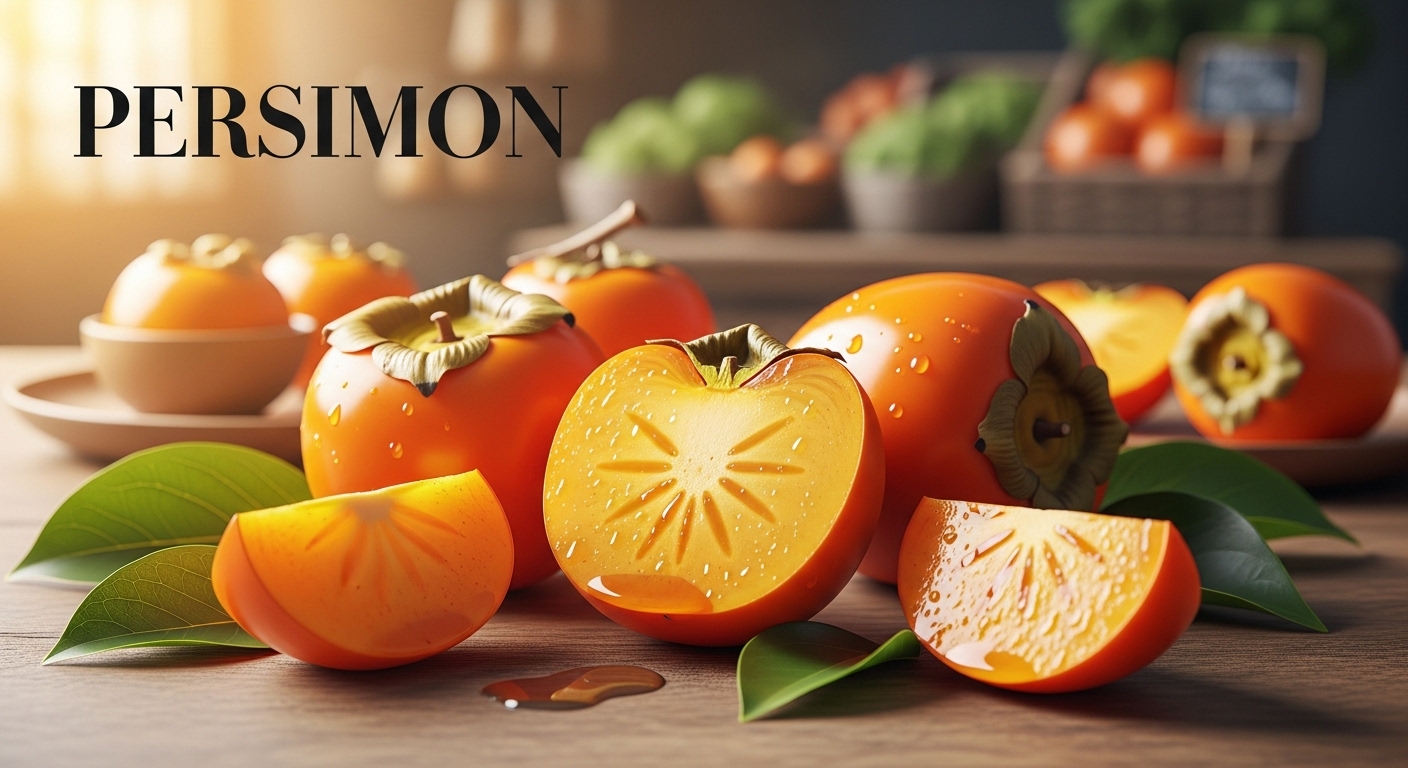
Bright orange, naturally sweet, crisp yet juicy, and packed with nutrients—persimon has become one of the most loved premium fruits in modern markets. Unlike many traditional persimmons that must become extremely soft before eating, caquis persimon can be enjoyed while still firm. That single advantage has transformed it into a favorite choice for consumers who want convenience, rich flavor, and a pleasant texture.
Over recent decades, persimon has gained strong recognition across Europe and other global markets. Consumers appreciate its reliable sweetness, vibrant appearance, health benefits, and versatility in recipes. Whether eaten fresh, sliced into salads, blended into smoothies, or added to desserts, persimon offers both taste and nutrition.
This complete guide explains everything about persimon, including what it is, how it differs from regular persimmons, nutritional value, cultivation, storage tips, recipes, health benefits, and why demand continues to rise worldwide.
What Is Persimon?
Persimon is a premium marketed form of persimmon fruit, most commonly linked with carefully cultivated varieties known for their firm texture, seedless quality, sweet flavor, and bright orange color. It is especially associated with high-quality fruit production standards that ensure consistency in appearance and taste.
Traditional persimmons often need to become jelly-soft before they lose astringency and become enjoyable. Persimon, however, is processed and selected so it can be eaten while still crisp or firm. This makes it much easier for everyday consumers to handle, transport, slice, and enjoy.
Its smooth skin, attractive shape, and naturally sweet flesh make persimon a standout fruit in produce sections. Many people compare its eating experience to a blend of mango, peach, and honeyed apple, though it has its own unique flavor profile.
Origin and Growing Regions of Caquis Persimon
Persimon is strongly associated with Spain, particularly regions known for ideal Mediterranean growing conditions. Warm sunshine, fertile soils, and balanced seasonal temperatures help create fruit with excellent sweetness and texture.
Spanish producers helped popularize branded caquis persimon through modern farming methods, strict quality controls, and post-harvest treatments that remove astringency while preserving firmness. This gave the fruit a strong commercial identity and broad consumer trust.
Although Spain remains highly recognized, persimmons are also cultivated in countries such as Italy, Israel, China, Japan, South Korea, Brazil, and parts of the United States. However, the persimon label is often tied to premium export standards and carefully selected fruit.
How Persimon Differs from Traditional Persimmon
Many shoppers wonder whether persimon and persimmon are the same. Technically, persimon is a type or branded presentation of persimmon, but the eating experience can be different.
Key Differences
| Feature | Persimon | Traditional Persimmon |
|---|---|---|
| Texture | Firm or crisp | Often soft when ripe |
| Taste | Sweet and mild | Sweet, sometimes stronger flavor |
| Convenience | Easy to slice and carry | Can bruise when soft |
| Appearance | Uniform bright orange | Varies by variety |
| Market Position | Premium branded fruit | General fruit category |
Persimon appeals especially to people who dislike mushy fruit textures. It provides the sweetness of ripe persimmon with the convenience of a firmer fruit.
Taste and Texture of Persimon
The taste of persimon is naturally sweet, mellow, and refreshing. It usually has low acidity, which makes the sweetness feel smooth rather than sharp. Many consumers enjoy it because it satisfies sweet cravings in a natural way.
Its texture is one of its biggest strengths. Instead of becoming overly soft, persimon can remain pleasantly firm with juicy flesh. This makes it easy to slice neatly for fruit platters, lunchboxes, salads, and desserts.
As it ripens further, the flesh becomes softer and richer. This gives consumers flexibility—they can eat persimon crisp for freshness or allow it to soften slightly for a softer dessert-like experience.
Nutritional Value of Persimon
Persimon is more than a delicious fruit. It is also packed with nutrients that support overall wellness. Like many orange fruits, it contains beneficial vitamins, fiber, and plant compounds.
Nutrition Overview (Approximate)
| Nutrient | Benefit |
|---|---|
| Vitamin C | Immune support |
| Fiber | Digestion and fullness |
| Vitamin A compounds | Eye and skin health |
| Potassium | Fluid balance |
| Antioxidants | Cell protection |
Because it is naturally sweet, persimon can be a smarter snack alternative to processed sweets. It offers energy along with valuable micronutrients.
The exact nutrient content varies by size, ripeness, and growing conditions, but overall persimon is considered a wholesome fruit choice.
Health Benefits of Eating Persimon
Regular fruit consumption supports long-term health, and persimon can be an excellent part of that habit. Its fiber helps digestive regularity and may support satiety, making it useful for balanced eating plans.
Vitamin C supports immune function and collagen production, while carotenoid pigments linked to orange fruits contribute to eye and skin health. Antioxidants help defend the body from oxidative stress caused by daily environmental exposure.
Because persimon is naturally sweet, it can help people reduce dependence on sugary desserts. Replacing highly processed snacks with fresh fruit is a practical step toward healthier eating patterns.
How to Eat Persimon Properly
One of the best things about persimon is how easy it is to eat. Wash the fruit thoroughly, then slice it like an apple or tomato. The peel is often edible if clean and fresh, though some people prefer removing it.
Popular Ways to Enjoy Persimon
- Eat fresh slices as a snack
- Add cubes to salads
- Blend into smoothies
- Pair with yogurt and granola
- Use in fruit bowls
- Add to cheese platters
Because it is firm, persimon works well in packed lunches and travel snacks. It holds shape better than softer fruits.
Always choose fruit based on preferred ripeness—firmer for crunch, slightly softer for richer sweetness.
Persimon in Cooking and Recipes
Persimon is surprisingly versatile in the kitchen. Its sweetness pairs beautifully with both sweet and savory dishes. Chefs and home cooks increasingly use it in modern fruit-forward recipes.
In breakfast dishes, persimon slices can top oatmeal, pancakes, chia pudding, or yogurt bowls. In salads, it pairs well with arugula, spinach, walnuts, feta, goat cheese, and citrus dressings.
For desserts, persimon can be used in tarts, cakes, sorbets, compotes, and baked pastries. Its color also adds visual appeal, making dishes look premium and fresh.
How to Choose the Best Persimon
Selecting quality persimon improves flavor and texture. Look for bright orange skin with even coloring and minimal blemishes. The fruit should feel firm but not rock-hard.
Avoid fruit with deep bruises, cuts, mold spots, or shriveled skin. Slight softness can be fine if you prefer a riper texture, but overly damaged fruit may spoil quickly.
Buying Checklist
| What to Look For | Why It Matters |
|---|---|
| Bright orange color | Indicates maturity |
| Smooth skin | Better freshness |
| Moderate firmness | Ideal eating texture |
| Fresh leafy top | Good handling quality |
High-quality persimon usually looks visually attractive because appearance standards are strong.
How to Store Persimon
Storage depends on ripeness. Firmer persimon can be kept at room temperature for a few days, especially if you want it to ripen slightly. Once ready to eat, refrigeration helps extend freshness.
Store cut persimon in an airtight container in the fridge. Consume within a short time for best texture and flavor. Like many fruits, exposure to air may reduce freshness.
If you have excess ripe fruit, use it in smoothies, sauces, or baking. Freezing slices is another practical option for later blending.
Persimon and Seasonal Availability
Persimon is generally associated with autumn and early winter harvest seasons in many producing regions. During this time, supermarkets and produce markets often display the fruit prominently.
Seasonality can vary depending on hemisphere and import schedules. Thanks to global trade, some markets now offer persimon for extended periods, though peak quality is often tied to harvest season.
Buying in season often means better flavor, fresher supply, and competitive pricing.
Why Persimon Is Popular in Europe
European consumers have embraced persimon for several reasons. First is convenience—it can be eaten firm without waiting for extreme softness. Second is flavor consistency, which builds repeat purchasing trust.
Retail presentation also matters. Persimon’s vivid orange color and premium look attract shoppers immediately. In addition, health-conscious consumers appreciate fruit options that feel indulgent while still nutritious.
Its versatility in Mediterranean diets, desserts, salads, and fresh snacking has also supported growing demand.
Persimon for Weight-Conscious Diets
Many people choose fruit when managing calorie intake, and persimon can fit into balanced eating plans. It offers natural sweetness that may reduce cravings for candy, pastries, or processed snacks.
Its fiber can help promote fullness, especially when paired with protein-rich foods like yogurt or nuts. That combination can create satisfying snack options.
However, portion awareness still matters. Persimon contains natural sugars like all fruits, so it is best enjoyed as part of a balanced diet rather than in excess.
Persimon for Children and Families
Persimon is family-friendly because of its sweet taste, bright color, and softening flexibility. Children often enjoy fruits that taste naturally sweet without tartness, making persimon appealing.
Parents can serve thin slices, fruit cubes, smoothie blends, or mixed fruit bowls. Its attractive orange flesh can make healthy snacks more exciting visually.
As with all foods for younger children, serve age-appropriate pieces to reduce choking risk. Softer ripe portions may be easier for toddlers depending on age.
Economic Importance of Persimon Farming
Persimon cultivation supports farmers, exporters, logistics networks, retailers, and food industries. Premium fruit markets often reward consistent quality, encouraging better agricultural practices.
Regions known for persimon production may benefit from branding, seasonal employment, packaging industries, and export revenue. High standards in grading and presentation also create value beyond raw harvest volume.
As consumer demand for nutritious produce grows, persimon remains a promising crop for many fruit-producing economies.
Future Trends for Persimon
The future looks bright for persimon. Consumers increasingly want convenient fruits with strong taste, visual appeal, and health benefits. Persimon fits all three trends.
Innovation may include organic production, sustainable packaging, ready-to-eat sliced packs, dried persimon snacks, and expanded recipe use in cafes and restaurants.
As awareness grows in new markets, persimon may become as common in many homes as apples, kiwis, or mangoes.
Conclusion
Persimon is a premium form of persimmon celebrated for its vibrant orange color, naturally sweet taste, and enjoyable firm texture. Unlike many traditional persimmons, it can be eaten while still crisp, making it convenient and appealing for modern consumers. Rich in fiber, vitamins, and antioxidants, persimon offers both flavor and nutrition.
Whether enjoyed fresh, added to salads, blended into smoothies, or used in desserts, persimon is a versatile fruit with rising global popularity. As more people seek wholesome and naturally sweet foods, persimon is likely to remain a standout favorite.
FAQs
What is persimon?
Persimon is a premium marketed persimmon fruit known for its sweet flavor, bright orange color, and firm edible texture.
Is persimon the same as persimmon?
Persimon is a type or branded presentation of persimmon, often selected for consistent quality and firmness.
Can you eat persimon while firm?
Yes, one of its biggest advantages is that it can be enjoyed while still firm.
Is persimon healthy?
Yes, it provides fiber, vitamins, antioxidants, and natural sweetness.
How do you eat persimon?
Wash it, slice it, and eat fresh, or add it to salads, smoothies, breakfasts, and desserts.