
Tsunaihaiya Eco-Luxury Destination Guide for Modern Travelers
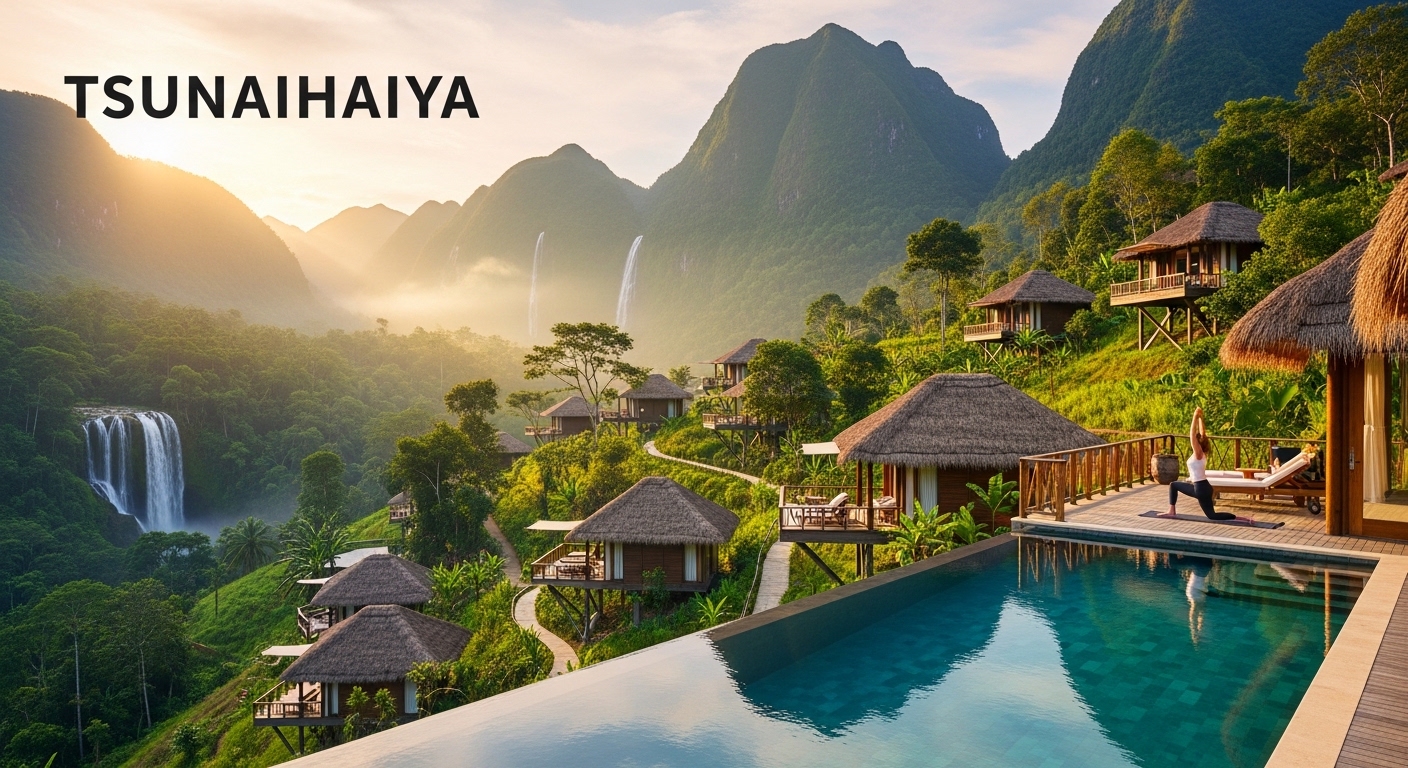
Imagine waking up to the sound of birds, breathing fresh mountain or coastal air, and stepping into a destination where sustainability and luxury exist in perfect balance. That is the magic of tsunaihaiya. Travelers around the world are now seeking meaningful journeys instead of crowded tourist spots, and tsunaihaiya has emerged as a symbol of eco-conscious travel blended with comfort, authenticity, and unforgettable beauty.
Unlike ordinary resorts or commercial vacation areas, tsunaihaiya offers something deeper. It combines pristine landscapes, rich local traditions, eco-luxury accommodations, wellness experiences, and responsible tourism practices. Whether you are a nature lover, cultural explorer, digital nomad, honeymoon traveler, or someone simply needing peace, tsunaihaiya delivers a refreshing travel concept that feels modern yet timeless.
This complete guide explores everything about tsunaihaiya, including attractions, sustainable stays, cultural experiences, food, activities, planning tips, and why it is becoming a rising name in eco-luxury tourism.
What Is Tsunaihaiya?
Tsunaihaiya is described as an eco-luxury destination where environmental responsibility and premium travel experiences merge. Rather than focusing only on luxury amenities, tsunaihaiya emphasizes harmony with nature, community support, and authentic cultural immersion. This makes it ideal for modern travelers who want comfort without harming the environment.
The idea behind tsunaihaiya is simple but powerful. Travelers stay in sustainable lodges, boutique villas, or eco-resorts designed with local materials, renewable energy systems, water conservation features, and nature-friendly architecture. Instead of oversized tourism development, the destination values preservation and quality.
Tsunaihaiya is also known for meaningful experiences. Guests may enjoy forest walks, cultural workshops, local cuisine, wildlife observation, yoga retreats, wellness treatments, and personalized guided tours. It is not just a place to visit—it is a place to reconnect with life.
Why Tsunaihaiya Is Gaining Global Attention
The travel world has changed dramatically. People now care about sustainability, privacy, mental wellness, and unique memories more than crowded luxury hotels. Tsunaihaiya aligns perfectly with these priorities, which is why it is gaining international attention.
Travelers are attracted to destinations that feel exclusive yet responsible. Tsunaihaiya offers curated experiences without the waste often linked to mass tourism. Solar-powered accommodations, farm-to-table dining, plastic reduction systems, and community tourism projects create trust and appeal.
Another reason for popularity is digital storytelling. Visitors share breathtaking landscapes, eco-villas, sunrise views, handmade local crafts, and peaceful experiences online. This organic exposure has helped tsunaihaiya become a trending search term among eco-travel enthusiasts.
The Natural Beauty of Tsunaihaiya
Nature is the heart of tsunaihaiya. The destination is recognized for preserving scenic environments rather than overdeveloping them. Depending on the region, travelers may experience mountains, forests, beaches, rivers, or rolling countryside.
Morning mist over green hills, crystal-clear waters, bird-filled forests, and starry night skies create an atmosphere difficult to find in busy cities. The environment feels calm, clean, and restorative. Many visitors describe tsunaihaiya as a place where stress disappears naturally.
The biodiversity of the area is another highlight. Native plants, wildlife, marine life, and protected ecosystems often play a major role in the travel experience. Eco-guided tours help visitors appreciate nature while learning how conservation efforts protect it for future generations.
Eco-Luxury Accommodations in Tsunaihaiya
Luxury in tsunaihaiya is thoughtful rather than excessive. Accommodations are designed to offer comfort while respecting the planet. You can expect elegant interiors, handcrafted décor, premium bedding, spa bathrooms, and immersive natural settings.
Many stays use renewable materials such as bamboo, reclaimed wood, stone, and organic fabrics. Rainwater harvesting, solar energy, natural ventilation, and waste reduction systems are common features. This allows guests to enjoy comfort while minimizing environmental impact.
Popular Stay Types in Tsunaihaiya
| Accommodation Type | Best For | Features |
|---|---|---|
| Eco Villas | Couples & Honeymooners | Private views, luxury interiors |
| Boutique Lodges | Families | Spacious rooms, cultural décor |
| Wellness Retreats | Solo Travelers | Yoga, spa, healthy meals |
| Nature Cabins | Adventure Seekers | Rustic charm, scenic surroundings |
Sustainable Tourism Practices
One of the strongest reasons people admire tsunaihaiya is its commitment to responsible tourism. Sustainability is not just a marketing term here—it shapes the entire visitor experience.
Waste reduction programs, refillable water stations, low-impact transport, local sourcing, renewable energy, and habitat preservation are often central practices. Visitors are encouraged to travel mindfully and respect local customs and ecosystems.
Tourism revenue may also support schools, artisans, farmers, guides, and conservation programs. This creates a positive cycle where travel helps communities instead of exploiting them.
Cultural Heritage and Local Traditions
Tsunaihaiya is more than landscapes. It is also a destination rich in identity, tradition, and community spirit. Travelers seeking authentic cultural experiences often find this aspect the most memorable.
Visitors may enjoy traditional music, dance performances, storytelling evenings, craft workshops, or village tours. Local artisans may teach weaving, pottery, carving, or textile-making techniques passed through generations.
Food traditions also reveal culture deeply. Recipes, farming methods, herbal ingredients, and communal dining customs allow visitors to connect with local life in meaningful ways.
Food and Dining Experiences
Cuisine in tsunaihaiya often reflects freshness, seasonality, and local heritage. Instead of imported menus, many properties focus on farm-to-table dining using regional produce, seafood, herbs, grains, and handmade specialties.
Meals are often prepared with traditional methods while presented with modern elegance. Organic breakfasts, fresh fruit platters, wood-fired dinners, herbal teas, and sustainable seafood are common highlights.
Dining Highlights
- Farm-to-table restaurants
- Organic gardens supplying kitchens
- Vegetarian and wellness menus
- Local cooking classes
- Traditional tasting experiences
Food in tsunaihaiya becomes part of the journey rather than just a necessity.
Wellness and Relaxation Opportunities
Many travelers choose tsunaihaiya to restore balance mentally and physically. The peaceful environment naturally supports wellness, while many stays provide dedicated healing experiences.
Guests may enjoy yoga decks overlooking nature, meditation sessions, spa therapies, herbal baths, sound healing, and wellness cuisine. Quiet surroundings help improve sleep and reduce digital stress.
Because the atmosphere feels slow and intentional, even simple activities like sunrise walks or journaling can become healing moments.
Adventure Activities in Tsunaihaiya
For travelers wanting excitement, tsunaihaiya also offers outdoor adventures. Eco-tourism does not mean boring travel—it often means richer and more immersive activities.
Depending on the setting, guests may enjoy hiking, kayaking, snorkeling, paddleboarding, cycling, birdwatching, horseback riding, or guided wildlife safaris. Activities are usually designed with safety and environmental awareness.
Adventure here feels more rewarding because it happens in preserved landscapes rather than overcrowded commercial zones.
Best Time to Visit Tsunaihaiya
The ideal season depends on climate and location, but generally moderate weather months offer the best experience. Dry seasons are preferred for outdoor exploration, while cooler months may be ideal for wellness retreats.
Seasonal Overview
| Season | Experience |
|---|---|
| Spring | Flowers, mild weather |
| Summer | Beach and water activities |
| Autumn | Scenic beauty, hiking |
| Winter | Cozy retreats, peaceful stays |
Researching local weather before booking helps maximize enjoyment.
Who Should Visit Tsunaihaiya?
Tsunaihaiya appeals to many travel styles because it balances comfort, adventure, and mindfulness. It is especially ideal for people who value meaningful experiences.
Best suited for:
- Couples seeking romantic eco-luxury escapes
- Families wanting educational nature trips
- Solo travelers seeking peace
- Wellness travelers needing reset time
- Photographers and creators
- Sustainable travel enthusiasts
This broad appeal is one reason tsunaihaiya is growing in popularity.
How to Plan a Tsunaihaiya Trip
Planning well can transform a good vacation into an unforgettable one. Start by selecting your travel goals—relaxation, adventure, culture, or wellness.
Book eco-certified accommodations early, especially during peak seasons. Pack lightweight clothing, walking shoes, reusable bottles, reef-safe sunscreen, and respectful attire for cultural visits.
It is also wise to build a flexible itinerary. Leave room for spontaneous experiences like local festivals, nature discoveries, or hidden cafés.
Budget vs Luxury in Tsunaihaiya
Many assume eco-luxury means expensive only, but tsunaihaiya often offers multiple price levels. Boutique stays and wellness resorts may sit at the premium end, while simpler eco-lodges can be more affordable.
Luxury pricing often reflects personalized service, private settings, gourmet dining, and sustainability investments. Budget travelers can still enjoy the destination by choosing smaller stays and local experiences.
Cost Comparison
| Travel Style | Estimated Experience |
|---|---|
| Budget | Eco-hostels, local meals |
| Mid-Range | Boutique lodges, guided tours |
| Luxury | Villas, spa retreats, private tours |
Why Tsunaihaiya Stands Out from Other Destinations
Many places advertise luxury. Others promote sustainability. Few combine both effectively. Tsunaihaiya succeeds because it offers elegance without disconnecting from nature or culture.
Visitors do not feel trapped in a generic hotel bubble. Instead, they experience real landscapes, real traditions, and real environmental care while still enjoying premium comfort.
That combination creates emotional value, which modern travelers increasingly prioritize over flashy tourism.
Future of Eco-Luxury Travel and Tsunaihaiya
The future of tourism is shifting toward conscious travel, and tsunaihaiya represents that movement. As travelers demand lower-impact experiences and deeper connections, destinations like this will likely become more desirable.
Innovation may include smarter renewable energy systems, regenerative tourism, zero-waste hospitality, local entrepreneurship, and immersive wellness design. Tsunaihaiya is well positioned to lead these trends.
Its long-term success depends on maintaining authenticity while managing growth carefully.
Tips for a Meaningful Tsunaihaiya Experience
To truly enjoy tsunaihaiya, approach it with curiosity and respect. Engage with locals, support small businesses, and spend time unplugged from constant screens.
Choose slow travel instead of rushing through attractions. Learn a few local phrases, try traditional foods, and participate in workshops or conservation activities.
When travelers give back emotionally and economically, the experience becomes far more memorable.
Conclusion
Tsunaihaiya is more than a destination—it is a modern travel philosophy where luxury, sustainability, culture, and natural beauty meet. It offers travelers the rare chance to enjoy comfort while staying connected to the environment and local communities. Whether you seek romance, wellness, adventure, or peace, tsunaihaiya delivers a refreshing alternative to ordinary tourism.
As eco-conscious travel continues rising worldwide, tsunaihaiya stands out as a symbol of how future tourism should feel: beautiful, responsible, enriching, and unforgettable.
FAQs
What is tsunaihaiya known for?
Tsunaihaiya is known as an eco-luxury destination that blends nature, culture, and sustainable accommodations.
Is tsunaihaiya suitable for families?
Yes, families can enjoy nature activities, cultural experiences, and peaceful accommodations.
Is tsunaihaiya expensive?
It offers options from budget eco-lodges to premium luxury villas and retreats.
What activities can visitors do in tsunaihaiya?
Popular activities include hiking, wellness retreats, local workshops, dining experiences, and water adventures.
Why is tsunaihaiya popular now?
Because travelers increasingly want sustainable, meaningful, and high-quality travel experiences.