
Insoya: Complete Guide to Uses, Benefits & Applications
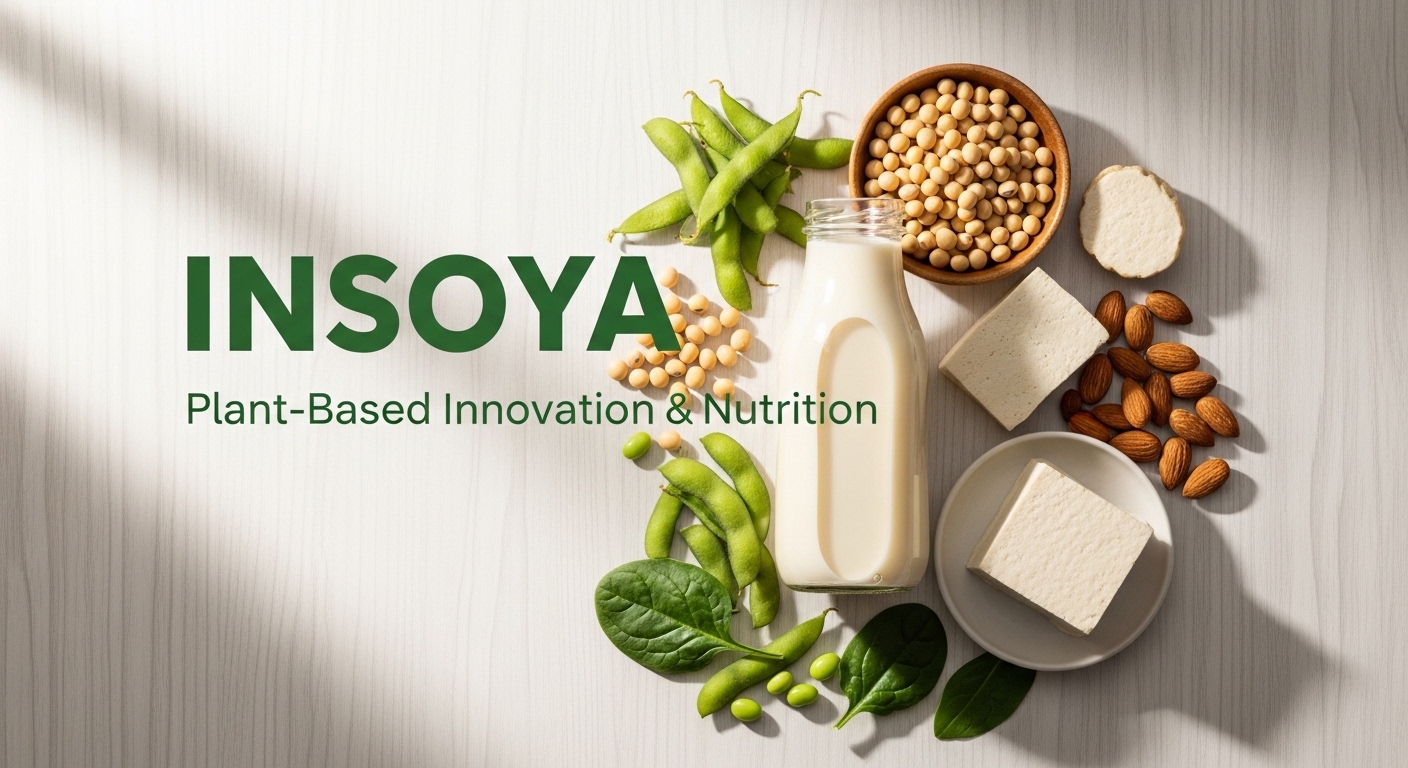
In today’s evolving world of nutrition, sustainability, and innovative products, insoya is emerging as a term that sparks curiosity and interest. Whether you’ve encountered it in food products, health discussions, or industrial contexts, insoya represents a growing trend tied closely to soy-based innovations and plant-powered solutions. As people shift toward healthier lifestyles and eco-conscious choices, understanding insoya becomes more important than ever.
This comprehensive guide explores everything you need to know about insoya, from its origins and composition to its benefits and practical uses. You’ll gain insights into how it fits into modern diets, industries, and sustainable practices. By the end, you’ll have a clear, well-rounded understanding of why insoya is becoming a key player in multiple sectors.
What is Insoya
Insoya is commonly associated with soy-derived products or innovations that utilize soybeans as a primary ingredient. Soybeans are one of the most versatile crops in the world, used in food, animal feed, and industrial applications. Insoya reflects this versatility by representing products or concepts that leverage soy’s nutritional and functional properties.
At its core, insoya often refers to processed or enhanced soy-based solutions designed to meet modern demands. This can include plant-based proteins, dairy alternatives, or even eco-friendly materials. The adaptability of soy makes insoya relevant across different industries, from food production to manufacturing.
Understanding insoya requires recognizing its foundation in soybeans. These beans are rich in protein, fiber, and essential nutrients, making them a valuable resource for both health and sustainability. As awareness grows, insoya continues to gain traction as a reliable and innovative solution.
Origins and Development of Insoya
The concept of insoya is deeply rooted in the long history of soybean cultivation. Soybeans have been cultivated for thousands of years, particularly in Asia, where they have been a staple food source. Over time, advancements in technology and processing methods have expanded their uses significantly.
In modern times, insoya has evolved alongside the rise of plant-based diets and sustainable practices. Researchers and industries have developed new ways to extract and utilize soy components, creating products that cater to changing consumer preferences. This evolution has transformed soy from a traditional crop into a cornerstone of innovation.
The development of insoya also reflects global trends toward reducing reliance on animal-based products. By offering plant-based alternatives, insoya contributes to a more sustainable and environmentally friendly future.
Nutritional Value of Insoya
One of the key reasons for the growing popularity of insoya is its impressive nutritional profile. Soy-based products are known for their high protein content, making them an excellent alternative to animal protein sources. This is particularly beneficial for vegetarians and vegans.
In addition to protein, insoya products often contain essential vitamins and minerals such as iron, calcium, and magnesium. They are also a good source of healthy fats and dietary fiber, which support overall health and well-being. These nutrients play a crucial role in maintaining energy levels and promoting a balanced diet.
Here is a general overview of nutritional components found in soy-based products:
| Nutrient | Benefit |
|---|---|
| Protein | Muscle growth and repair |
| Fiber | Digestive health |
| Iron | Oxygen transport in blood |
| Calcium | Bone strength |
The balanced nutritional profile of insoya makes it a valuable addition to a healthy lifestyle.
Health Benefits of Insoya
Insoya offers numerous health benefits, making it a popular choice among health-conscious individuals. One of the primary advantages is its ability to support heart health. Soy-based products are known to help reduce cholesterol levels, which can lower the risk of cardiovascular diseases.
Another important benefit is its role in weight management. Insoya products are often low in saturated fats and high in protein, which helps promote satiety and reduce overall calorie intake. This makes them a suitable option for those looking to maintain or lose weight.
Additionally, insoya may support hormonal balance due to the presence of plant compounds known as isoflavones. These compounds have been studied for their potential to improve bone health and reduce symptoms associated with hormonal changes.
Common Uses of Insoya
Insoya is widely used across different sectors, reflecting its versatility and practicality. In the food industry, it is commonly found in products such as tofu, soy milk, and plant-based meat alternatives. These products cater to the growing demand for healthier and sustainable food options.
Beyond food, insoya is also used in industrial applications. Soy-based materials are increasingly being used to create biodegradable plastics, adhesives, and coatings. This highlights its role in promoting eco-friendly solutions.
Here are some common uses of insoya:
- Plant-based food products
- Nutritional supplements
- Eco-friendly materials
These applications demonstrate how insoya is integrated into various aspects of daily life.
Insoya in Plant-Based Diets
The rise of plant-based diets has significantly contributed to the popularity of insoya. As more people adopt vegetarian or vegan lifestyles, the demand for alternative protein sources continues to grow. Insoya products provide a convenient and nutritious solution.
Soy-based foods are often used as substitutes for meat and dairy products. They offer similar textures and flavors while providing essential nutrients. This makes them an attractive option for those transitioning to plant-based diets.
In addition, insoya supports sustainability by reducing the environmental impact associated with animal farming. This aligns with the values of individuals who prioritize eco-friendly choices.
Industrial Applications of Insoya
Insoya is not limited to the food industry; it also plays a significant role in various industrial applications. Soy-based materials are used to produce biodegradable plastics, which help reduce environmental pollution.
Another important application is in the production of biofuels. Soybean oil can be processed into biodiesel, providing a renewable energy source. This contributes to reducing dependence on fossil fuels.
The versatility of insoya in industrial settings highlights its potential to drive innovation and sustainability across multiple sectors.
Environmental Impact of Insoya
The environmental benefits of insoya are one of its most appealing aspects. Soy-based products generally have a lower carbon footprint compared to animal-based alternatives. This makes them a more sustainable choice.
Insoya also supports efficient land use, as soybeans can produce a high yield of protein per acre. This reduces the need for extensive agricultural land, helping preserve natural ecosystems.
However, it is important to ensure responsible sourcing and production practices to maximize these benefits and minimize negative impacts.
How Insoya is Produced
The production of insoya involves several steps, starting with the cultivation of soybeans. Once harvested, the beans are processed to extract various components such as protein, oil, and fiber.
These components are then used to create different products, ranging from food items to industrial materials. Advanced processing techniques ensure that the final products meet quality and safety standards.
Understanding the production process helps consumers make informed choices about the products they use.
Insoya vs Traditional Soy Products
While insoya is rooted in soy-based solutions, it often represents more advanced or specialized applications compared to traditional soy products. Traditional products include items like tofu and soy sauce, which have been used for centuries.
In contrast, insoya may involve innovative processing methods or new product formulations. These advancements enhance the functionality and appeal of soy-based products.
Here is a comparison:
| Aspect | Traditional Soy | Insoya |
|---|---|---|
| Usage | Basic food items | Diverse applications |
| Processing | Simple methods | Advanced techniques |
| Innovation | Limited | High |
This comparison highlights the evolution of soy into more sophisticated solutions.
Advantages of Using Insoya
Insoya offers several advantages that make it a preferred choice for many consumers and industries. One of the main benefits is its versatility, allowing it to be used in a wide range of applications.
Another advantage is its nutritional value, which supports health and well-being. Insoya products provide essential nutrients without the drawbacks associated with some animal-based products.
Additionally, insoya contributes to sustainability by promoting eco-friendly practices and reducing environmental impact.
Challenges and Limitations of Insoya
Despite its many benefits, insoya also faces certain challenges. One of the main concerns is the potential for allergies, as some individuals may be sensitive to soy products.
Another challenge is the environmental impact of large-scale soybean farming, particularly if not managed responsibly. Issues such as deforestation and pesticide use need to be addressed to ensure sustainability.
Addressing these challenges is essential for maximizing the benefits of insoya while minimizing its drawbacks.
Tips for Choosing Quality Insoya Products
Selecting high-quality insoya products is important for ensuring safety and effectiveness. Start by checking the ingredient list and nutritional information to understand what the product contains.
Here are some tips:
- Look for minimally processed products
- Choose reputable brands
- Check for certifications or quality standards
By following these tips, you can make informed decisions and enjoy the benefits of insoya.
Future Trends in Insoya
The future of insoya looks promising, with ongoing advancements in technology and innovation. Researchers are exploring new ways to enhance the nutritional value and functionality of soy-based products.
One emerging trend is the development of alternative proteins that mimic the taste and texture of meat more closely. This is expected to drive further adoption of plant-based diets.
Sustainability will also remain a key focus, with efforts to improve production practices and reduce environmental impact.
Conclusion
Insoya represents a dynamic and evolving concept that combines the nutritional benefits of soy with modern innovation. From food products to industrial applications, it offers a versatile and sustainable solution for various needs.
As awareness continues to grow, insoya is likely to play an increasingly important role in shaping the future of health, sustainability, and technology. By understanding its benefits and applications, you can make informed choices and take advantage of what it has to offer.
FAQs
What is insoya used for?
Insoya is used in food products, industrial materials, and sustainable solutions.
Is insoya healthy?
Yes, it provides essential nutrients like protein, fiber, and vitamins.
Can insoya replace meat?
In many cases, yes. It is commonly used in plant-based meat alternatives.
Are there any side effects of insoya?
Some individuals may have soy allergies, so it’s important to check before consumption.
Why is insoya gaining popularity?
Its health benefits, versatility, and sustainability make it a popular choice.