
Anticimex 3d sanidad ambiental / wisecon estrategia de consolidación Guide
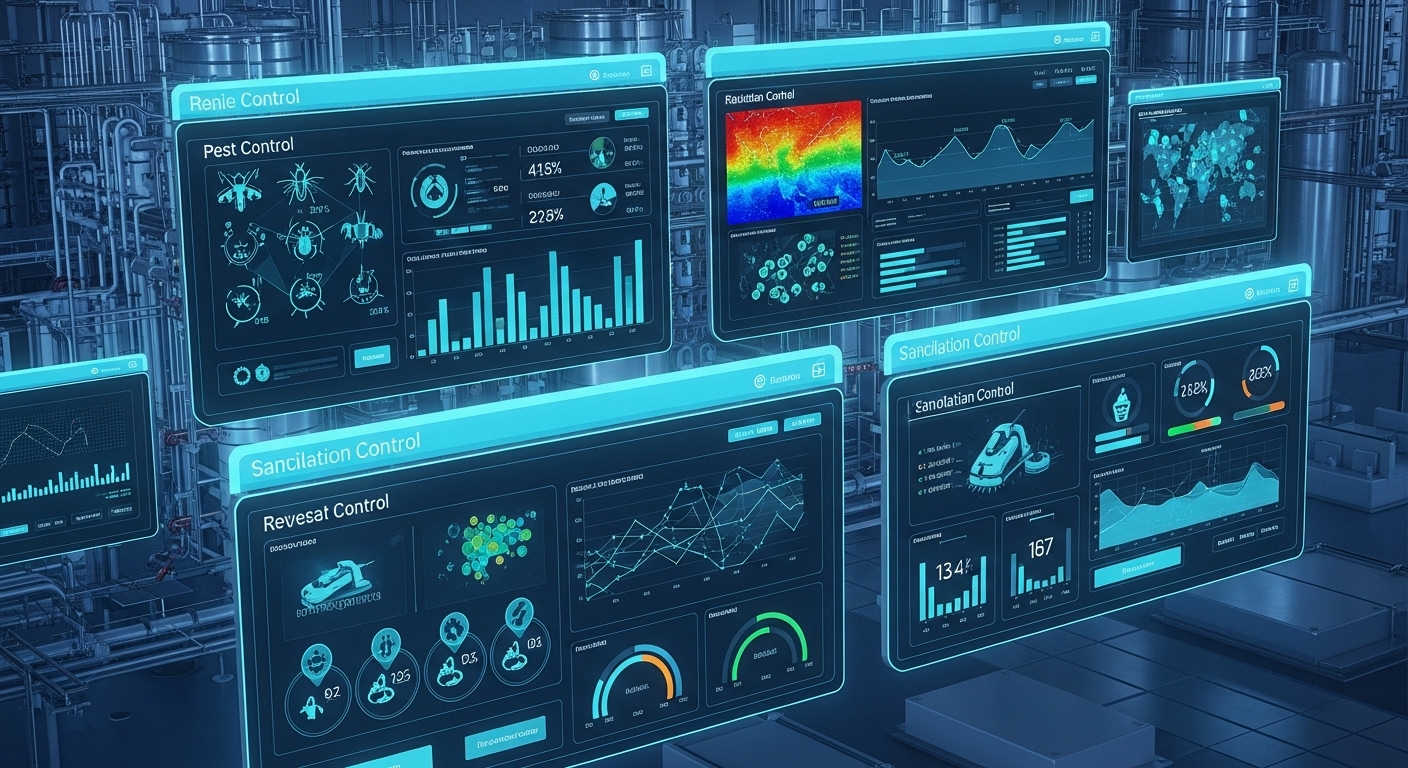
Modern businesses and public spaces face growing pressure to maintain hygiene, prevent risks, and operate sustainably. Traditional inspection models often react after problems appear, but today organizations need prevention, live data, and smarter decision-making. That is where anticimex 3d sanidad ambiental / wisecon estrategia de consolidación becomes highly relevant.
This concept is associated with a smart system built for real-time environmental monitoring, preventive control, digital management, and sustainable sanitation strategies. It combines sensors, analytics, connected monitoring tools, and strategic consolidation methods to help companies improve hygiene standards while reducing operational inefficiency.
Whether used in food production, hospitality, healthcare, logistics, retail, or industrial facilities, such systems can transform environmental management from reactive service to predictive control. This complete guide explains what anticimex 3d sanidad ambiental / wisecon estrategia de consolidación means, how it works, where it can be applied, and why it matters in the future of environmental health.
| Quick Overview | Details |
|---|---|
| Main Keyword | anticimex 3d sanidad ambiental / wisecon estrategia de consolidación |
| Core Focus | Environmental monitoring and prevention |
| Main Benefits | Real-time alerts, sustainability, efficiency |
| Ideal For | Commercial, industrial, public facilities |
| Technology Base | Sensors, analytics, connected systems |
What Is anticimex 3d sanidad ambiental / wisecon estrategia de consolidación?
anticimex 3d sanidad ambiental / wisecon estrategia de consolidación can be understood as a modern environmental management approach focused on digital monitoring, prevention systems, and operational consolidation. Rather than relying only on scheduled inspections, it uses smart tools to detect issues early and support ongoing control.
The phrase combines ideas of sanidad ambiental (environmental hygiene or sanitation) with a consolidation strategy, suggesting a structured model where multiple services, sites, or processes are unified into one intelligent management system. This is valuable for organizations operating across several locations.
Examples may include monitoring hygiene risks, pest activity, moisture levels, temperature changes, waste conditions, or sanitation compliance. With centralized dashboards and alerts, managers gain faster visibility and stronger control over environmental performance.
Why Smart Environmental Monitoring Matters Today
Environmental risks can affect health, reputation, compliance, and operating costs. A small unnoticed issue can become a major disruption if not detected early. Real-time systems help organizations move from reacting late to preventing problems early.
In food facilities, hygiene failures may impact safety. In hotels or offices, poor sanitation can damage customer trust. In warehouses, environmental issues may harm inventory. Traditional manual checks are useful, but they can miss events occurring between visits.
Smart monitoring fills that gap by providing continuous oversight. Sensors and connected tools create a more reliable system where alerts are triggered when conditions change. This faster response can reduce losses, improve standards, and protect brand reputation.
Core Technology Behind the System
The strength of anticimex 3d sanidad ambiental / wisecon estrategia de consolidación lies in connected technology. Sensors placed in strategic locations can monitor activity, conditions, or environmental changes in real time.
These devices may track motion, humidity, temperature, contamination indicators, or other risk signals depending on industry needs. Information is sent to a central platform where managers can review trends and receive alerts.
Analytics adds another layer of value. Instead of only showing current conditions, systems can identify recurring patterns, high-risk zones, seasonal changes, or areas needing preventive action. This turns raw data into practical decisions.
Common Technology Components
- Smart sensors
- Cloud dashboards
- Automated alerts
- Trend analytics
- Mobile reporting tools
- Multi-site management systems
Meaning of Wisecon Estrategia de Consolidación
The phrase wisecon estrategia de consolidación suggests a smart consolidation strategy designed to unify operations efficiently. Many organizations manage sanitation, pest control, compliance, and maintenance separately, creating duplication and communication gaps.
A consolidated strategy centralizes these functions under one coordinated framework. That can mean one reporting system, one data dashboard, one service model, or one set of preventive standards across multiple sites.
This approach improves visibility and reduces fragmentation. Leaders can compare locations, standardize procedures, and allocate resources more effectively.
How Real-Time Prevention Works
Traditional service models often depend on scheduled visits. Real-time prevention works differently by watching continuously rather than periodically. If a risk indicator changes, alerts are sent immediately.
For example, rising moisture in a storage area may suggest future mold risk. Unusual sensor activity in a sensitive zone may indicate pest presence. Temperature variation in regulated storage may signal compliance concerns.
Early warnings allow action before escalation. That saves money, protects operations, and reduces emergency responses.
| Traditional Model | Smart Preventive Model |
|---|---|
| Periodic checks | Continuous monitoring |
| Reactive treatment | Early intervention |
| Limited data | Live analytics |
| Manual reporting | Automated dashboards |
| Slower response | Faster alerts |
Industries That Benefit Most
Food production and hospitality are major beneficiaries because hygiene and reputation are critical. Continuous monitoring helps protect standards and customer confidence.
Healthcare facilities also benefit from strong sanitation oversight. Prevention systems can support cleaner environments, better compliance, and safer operations.
Warehouses, logistics centers, retail chains, offices, and manufacturing plants can also use these systems. Any environment with multiple sites or environmental risk factors can gain value.
Sustainability Advantages
Sustainability is increasingly important for modern organizations. Smart systems can reduce unnecessary chemical use by focusing treatment only where needed instead of broad routine overuse.
They can also reduce travel emissions when remote monitoring lowers unnecessary inspection visits. Better prevention often means less waste, fewer damaged goods, and more efficient resource use.
This combination of hygiene and sustainability is especially attractive to companies with ESG or environmental responsibility goals.
Data and Reporting Benefits
Decision-makers need evidence, not assumptions. anticimex 3d sanidad ambiental / wisecon estrategia de consolidación supports this through data collection and reporting.
Managers can review incident trends, response times, location comparisons, and recurring risks. Reports may help internal audits, compliance reviews, and operational planning.
Data also helps justify investments. When leaders can measure reduced incidents or improved efficiency, long-term strategy becomes clearer.
Multi-Site Business Advantages
Large companies often manage dozens or hundreds of sites. Without centralized systems, each location may use different standards or reporting methods.
A consolidated model creates consistency. Head office teams can monitor all sites through one dashboard, compare performance, and identify locations needing support.
This is particularly valuable for franchises, hotel groups, retailers, and logistics networks.
Cost Efficiency and ROI
Although smart systems may require investment, they often create savings through prevention. Avoiding contamination events, infestations, damaged stock, or compliance failures can protect significant value.
Labor efficiency also improves. Teams spend less time chasing fragmented reports and more time solving verified issues.
Over time, the return on investment may come from fewer emergencies, stronger standards, and smoother operations.
| Cost Area | Potential Improvement |
|---|---|
| Emergency incidents | Reduced frequency |
| Product loss | Lower waste |
| Manual admin | Time savings |
| Travel visits | Better efficiency |
| Reputation risk | Stronger trust |
Challenges in Implementation
Some organizations hesitate because of cost, training needs, or change management. Staff may be used to traditional inspection routines.
Technology integration can also be challenging if businesses use outdated systems or inconsistent processes across sites.
However, phased implementation often solves these issues. Starting with high-risk locations and expanding gradually can build confidence and measurable success.
Best Practices for Adoption
Begin by identifying your highest-risk areas. This may be food storage, waste zones, moisture-sensitive rooms, or customer-facing spaces.
Choose clear KPIs such as response speed, incident reduction, compliance score, or maintenance efficiency. Metrics help measure success.
Train staff early. Technology works best when teams understand alerts, reporting tools, and prevention procedures.
Best Practice Checklist
- Start with priority sites
- Define measurable goals
- Train teams properly
- Review data monthly
- Adjust based on findings
- Scale gradually
Future of Environmental Sanitation Systems
The future likely includes AI prediction models, smarter sensors, autonomous inspections, and deeper integration with facility management systems.
Systems may eventually forecast risks before signals become visible, allowing even earlier intervention. Mobile apps and remote control tools will likely become more advanced as well.
As standards rise globally, digital sanitation management is expected to become normal rather than optional.
Why This Strategy Matters for Brand Reputation
Customers, regulators, and partners expect safe and clean environments. A single failure can spread quickly through reviews or media attention.
Proactive monitoring demonstrates responsibility. It shows that a company values prevention rather than only reacting after complaints.
That reputation value can be as important as the operational benefits.
Why Businesses Search This Keyword
Users searching anticimex 3d sanidad ambiental / wisecon estrategia de consolidación are often looking for environmental monitoring solutions, sanitation innovation, or consolidation strategies.
Others may be researching preventive pest control systems, hygiene technology, or smart compliance management for commercial spaces.
The keyword combines technology and operations, making it relevant for decision-makers and researchers alike.
Strategic Value in a Competitive Market
Businesses that operate cleaner, safer, and more efficiently often outperform competitors. Prevention reduces disruptions and builds trust.
Digital visibility also helps leadership make faster decisions. That agility matters in competitive sectors with tight margins.
For many organizations, smart environmental systems are becoming strategic assets rather than support services.
Conclusion
anticimex 3d sanidad ambiental / wisecon estrategia de consolidación represents a modern shift toward intelligent environmental management. By combining real-time monitoring, preventive control, centralized reporting, and sustainable practices, it helps organizations protect health, improve efficiency, and strengthen operational standards.
As businesses face higher expectations for hygiene, compliance, and sustainability, systems like this offer clear long-term value. The future belongs to organizations that prevent problems before they grow.
FAQs
What is anticimex 3d sanidad ambiental / wisecon estrategia de consolidación?
It is a smart environmental management concept focused on real-time monitoring, prevention, and consolidated operational strategy.
Who can use this system?
Food businesses, hotels, healthcare facilities, retailers, warehouses, offices, and industrial sites can benefit.
What are the main benefits?
Early alerts, improved hygiene, better reporting, sustainability, and cost efficiency.
Does it replace manual inspections?
Usually it complements them by adding continuous monitoring and stronger data visibility.
Why is consolidation important?
It helps multi-site organizations standardize processes, reduce duplication, and manage operations more effectively.


